

When we talk about plants, there are countless in nature, but have you ever wondered which plants are the most poisonous in the world? It's a curiosity that a lot of people have, thinking about it, today I'm going to list a top 10 of the plants classified as the most poisonous in the world! Cheered up? Well, let's go then. 🙂
- 7 Amazing Facts About Brazil You Didn't Know!
- Find out what are the 5 most poisonous animals in the world
- Prime Video news for the month of September
Content Index
Check out the TOP 10 Most Poisonous Plants in the World!
Maybe you don't know, but there is a high probability that one of your beautiful garden plants can produce a very powerful poison capable of killing you by suffocation or heart attack in a very short time. In general, the toxin in these vegetables serves to protect them from predators, but it can also kill unsuspecting humans.
10 – Very high ageratina (white snakeroot)
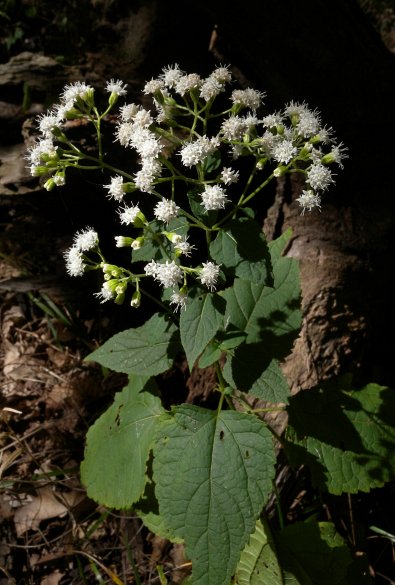
In tenth place in the list of the most poisonous plants in the world, we start with the ageratine. This is a plant native to North America and one of the most poisonous in the world. Its flowers are white and, after blooming, release small fluffy seeds that are carried by the wind. Although beautiful, white snakeroot contains a high content of tremetol – a substance that kills people indirectly.
When the species is eaten by livestock, the toxin is absorbed by milk and meat. Then, when the human feeds on the contaminated animal or drinks from its dairy, the component enters the body and causes the so-called “milk disease”, which in turn is extremely fatal.
09 – Actaea pachypoda (doll's eye)
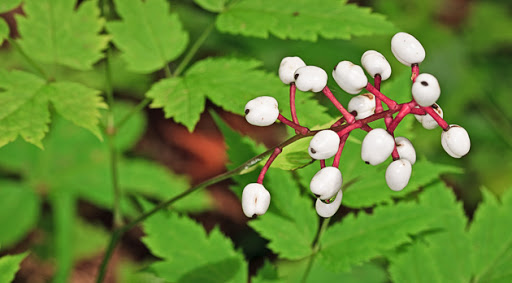
The doll's eye, also known as white baneberry, may seem friendly, but it is very dangerous. Native to northern and eastern North America, this flowering plant, which measures just 1 cm in diameter and has small white berries with a black spot, is very similar to the object that gives it its name.
Although the entire species has been considered harmful to humans, most of its toxin is concentrated in the fruit. Unfortunately, many children have already been victims of White Baneberry, because, in addition to being beautiful, it is very sweet. The berry contains a toxin called a carcinogen, which has an almost immediate sedative effect on the human heart muscle and causes rapid death.
08 – Brugmansia suaveolens (angel's trumpet)
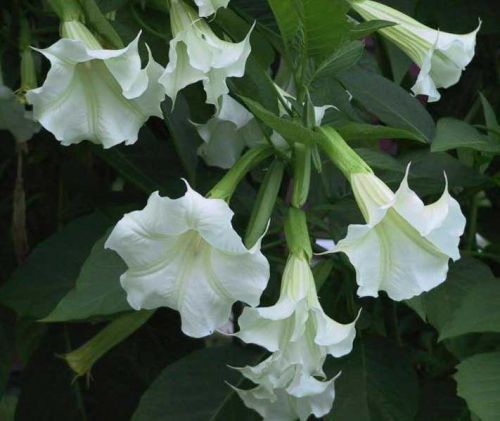
The first two plants were native to North America, but now it's Latin America's turn on the list of the most poisonous plants in the world. It can be found in several regions of Brazil. The name angel trumpet is due to the pendulum shape of the flower, which is generally white and yellow, although it is possible to find varieties and hybrids with pink tones.
Measuring between 14-50 cm, all parts of Brugmansia suaveolens are considered toxic and narcotic. It contains tropane alkaloids such as scopolamine, atropine and hyoscyamine. Even knowing the danger, some people ingest a tea made with the flowers as a potent hallucinogen.
The level of toxicity varies depending on the type of plant, making it practically impossible to know how much poison a person has taken. Often, those who play with the angel's trumpet end up overdosed and dying or suffering from smooth muscle paralysis, tachycardia, confusion, mydriasis, visual and auditory hallucinations.
07 – Strychnos nux-vomica (walnut or Saint-Ignatius bean)
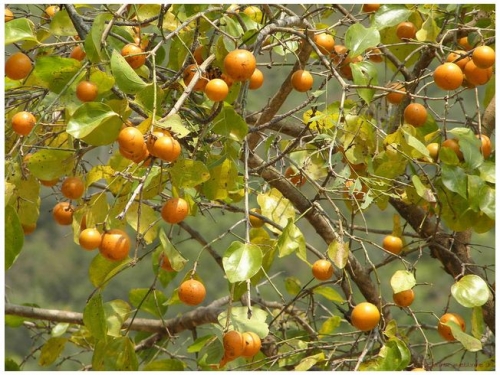
The Nut Vomica is a medium-sized plant that is native to India and Southwest Asia. Its small rounded fruits (similar to oranges) are highly dangerous as they contain the poisonous alkaloids strychnine and brucine. In turn, the seeds have 1.5 % of the first compound, and the dried floral ends have about 1%.
With just 30 mg of these components, it is possible to violently and painfully kill an adult, causing convulsions and simultaneous stimulation of the spinal sensory ganglion. However, nut-vomica also has medicinal properties to combat cardiac asthenia, paralysis, neurasthenia, symptoms of drug use and toxic-infectious gastrointestinal problems.
06 – Taxus baccata (yew)
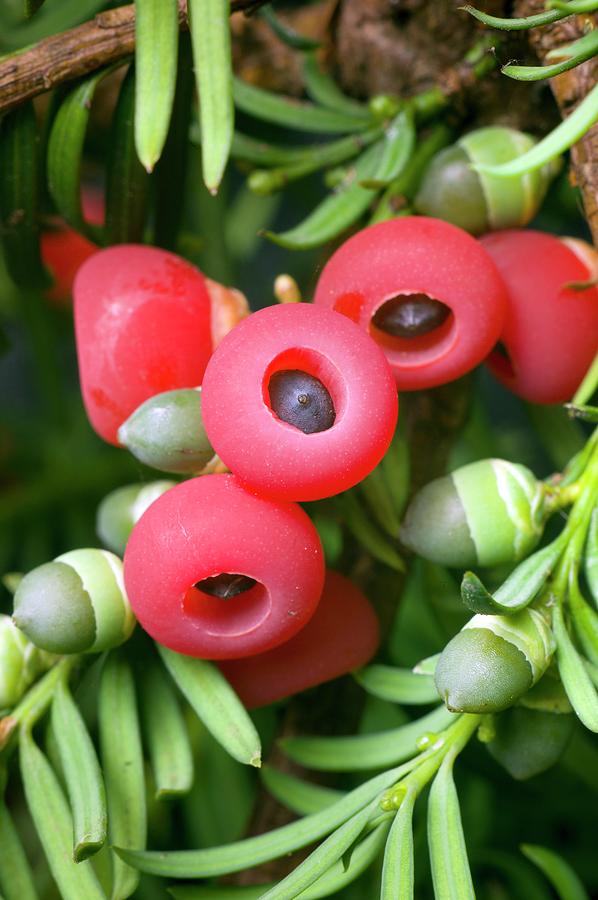
Native to Europe, southwest Asia and northwest Africa, the yew produces a beautiful, soft red fruit that protects its seeds. Luckily, this is the only part of the plant that does not contain poison, allowing birds to eat the bark and spread the seeds without becoming infected.
Just a 50 g dose of yew is fatal for a man. Symptoms of poisoning include difficulty breathing, muscle tremor, convulsion, fainting, and cardiac arrest. In cases of severe poisoning, death can occur so quickly that there is not time for all the signs to appear.
05 – Hemlock (water hemlock)
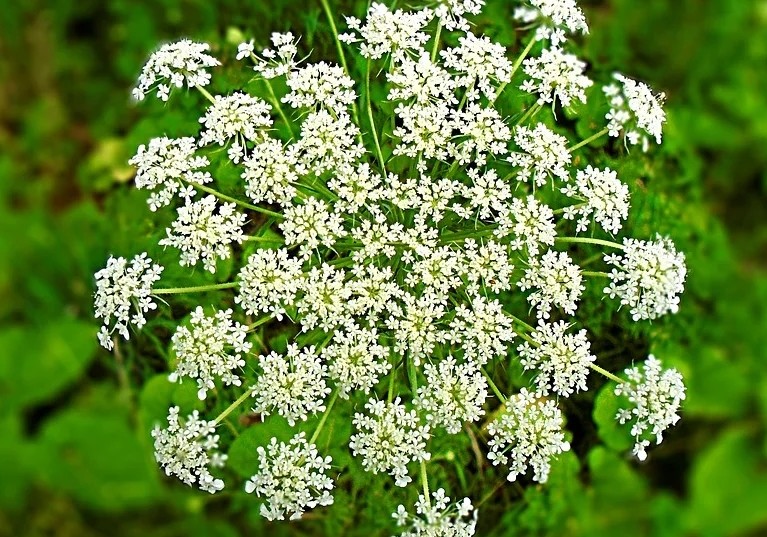
Water hemlock is an extremely poisonous plant group that can be found in the temperate regions of the northern hemisphere. They all have very distinct white or yellow flowers, and are also arranged in an umbrella shape. In the US, these nice little plants are considered the most harmful of all.
They contain a substance known as cicutoxin, which causes seizures, and all parts of the specimen are dangerous—especially the root, where the venom is most potent. In addition to the almost immediate seizure, other symptoms include nausea, vomiting, abdominal pain, tremors, and confusion. Death is usually caused by respiratory failure or ventricular fibrillation, which occurs within hours of ingestion.
04 – Aconitum (wolfsbane)
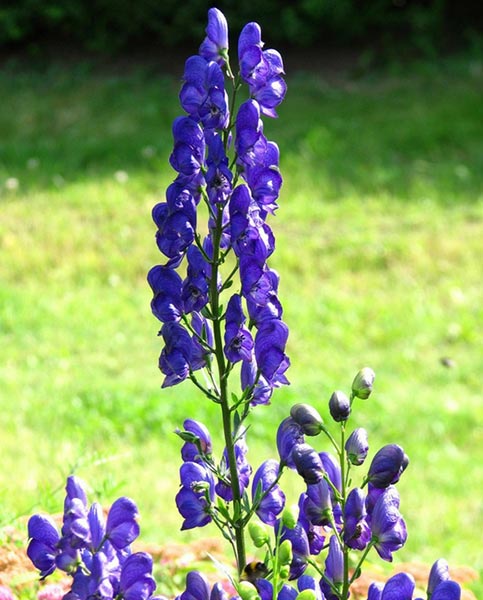
Also known as "Wolfsbane”, Aconitum is a species in the Ranunculaceae family. These perennial plants are native to the mountainous regions of the northern hemisphere and contain a large amount of the alkaloid pseudaconitine, which is used in the arrowheads of the Ainu people of Japan for hunting.
If swallowed, the person suffers from burning in the abdomen and limbs. In large doses, death can occur within 2 to 6 hours, with just 20 mg consumption being enough to end the life of an adult human.
03 – Abrus precatorius (pea of the rosary)
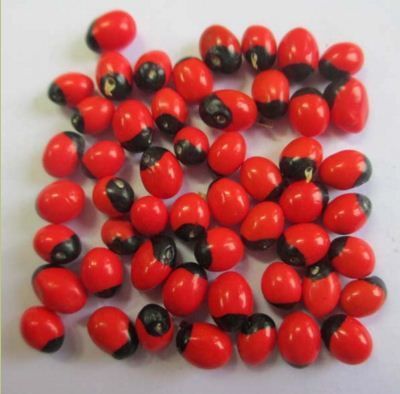
And finally we arrived in our TOP 3 of the most poisonous plants in the world. Also known as "crab's eye", this is a plant that can reach 60 to cm and has poppy flowers of violet color, grouped in clusters. In general, they are born along the trunks of trees and originally belong to the region of Indonesia, although they can be found in different parts of the world.
The poison that the rosary pea contains, abrin, is very similar to the ricin of other toxic plants. However, the crab eye substance is 75 times stronger, so the lethal dose is much lower. It takes only 3 micrograms of abrin to kill an adult.
02 – Atropa belladonna (belladonna)
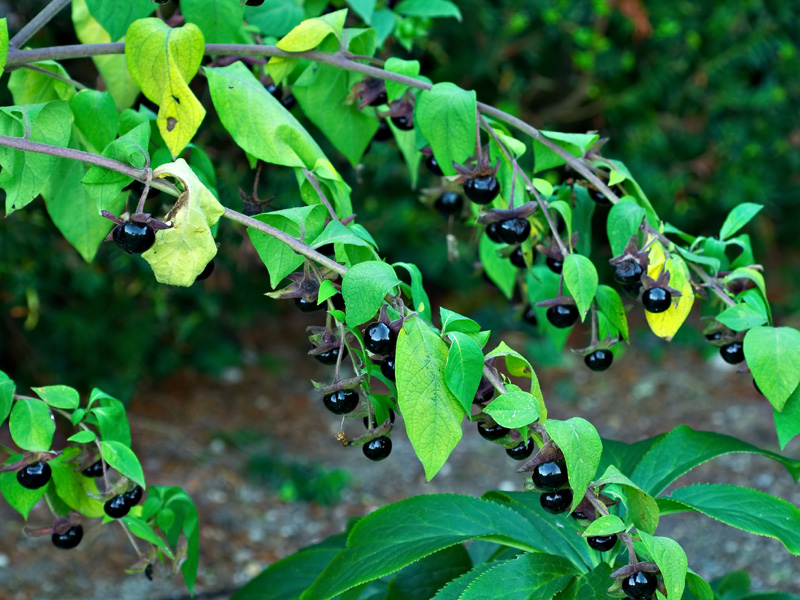
Also called "hell cherry", belladonna is native to Europe, North Africa and Western Asia. Rich in an alkaloid called tropane, the species can cause delirium and hallucinations. Other signs of belladonna poisoning include loss of voice, dry mouth, headache, breathing difficulties and seizures.
The whole plant is harmful, but the fruits are the most dangerous, as they are deliciously sweet and tend to attract children. It takes 10 to 20 cherries to kill an adult, but it only takes one leaf (in which the toxin is most concentrated) to end a man's life.
01 – Ricinus communis (castor)
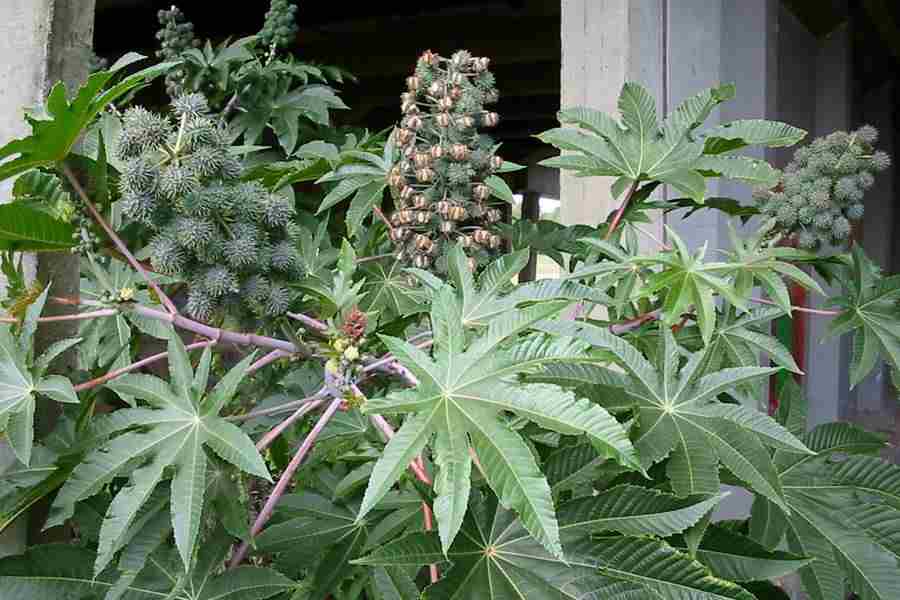
Now you didn't expect this one, did you? It is quite common to see children playing with this plant, but they do not know that it is the most poisonous plant in the world! And a fact is that this plant is easily found in any Brazilian bush, and in any corner, it is not difficult to see a castor plant on the street.
Although the process of extracting the poison is somewhat complex, authorities in Las Vegas discovered a good amount of the substance in a hotel room in February 2008. Investigations showed that the KGB used the component to permanently silence the opposition.
One raw castor seed is enough to cause a painful, agonizing and painful death. The first symptoms of poisoning appear within the first few hours after poisoning, which include a burning sensation in the throat and eyes, abdominal pain, as well as diarrhea and vomiting with blood. The process is uncontrollable and only ends when the victim dies from dehydration.

